Pampanga, Philippines
Pampanga’s creation in 1571 made it the first Spanish province in Luzon. Cebu was the first province in the Visayas founded in 1565. Also, La Pampanga served as the archipelago’s capital from 1762 to 1754 during the British invasion of Manila.
The province of Nueva Ecija borders the northern part while Bataan and Zambales on the southwestern and western regions, respectively, and Bulacan on the eastern and southeastern parts. It opens up to Manila Bay as seen on the map of Pampanga.
Pampanga serves as the home to two Philippine Air Force bases namely Clark Air Base and Basa Air Base in Angeles City and Floridablanca, respectively. Angeles City is geographically within Pampanga province, but it has an independent government being a highly urbanized and first-class city.
Clark International Airport (formerly Diosdado Macapagal International Airport), which is found in Clark Freeport Zone, serves Pampanga. Clark International Airport is the 2nd international airport in Luzon.
Travel Destinations

Towering at 1,026 meters above sea level is Mount Arayat, an extinct stratovolcano and the only mountain in Pampanga. Dubbed as the roof of the province, it proudly stands in the middle of a flat land bordered by the towns of Magalang and Arayat.
According to local folklore, Mount Arayat is home to the mystical fairy Mariang Sinukuan, sister of Mariang Makiling of Laguna. But for adventurers, it is a playground! An ideal day hike for mountaineers based in Metro Manila and Central Luzon.
There are two trails leading to its two peaks in the caldera. The usual traverse itinerary is via Magalang to 984-meter South Peak, also known as Pinnacle Peak. From there, you can traverse along the caldera’s rim to the 1026-meter North Peak, then going down via Arayat’s San Juan Baño trail.
Here’s a snap from the pedestal of the South Peak, overlooking Arayat in Pampanga and Cabiao in Nueva Ecija, the province of Bulacan and the great mountain range of Sierra Madre from afar.
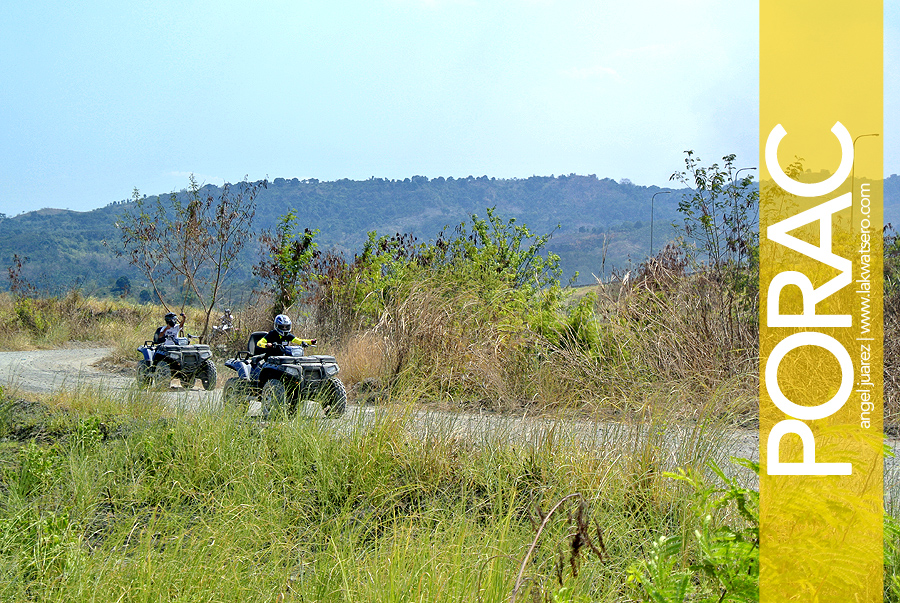
Unleash the kid in you and enjoy the outdoor adventure and fun at The Sandbox, Alviera’s huge playground for kids and kids at heart.
The Sandbox guarantees a day of fun activities with family and friends with its giant swing, aerial walk, roller coaster zipline, wall climbing, ATV and UTV, outdoor archery, off-road bike track, mini golf course and more, all in the backdrop of picturesque Mount Pinatubo.
Day package starts at P350 up to P650, ATV rental is P2,500 per hour while UTV rental is P3,000 per hour.
Sandbox is only an hour-and-a-half away from Quezon City, an hour away from Meycauayan, 45 minutes from Subic, 25 minutes from Angeles and five minutes from Clark. It is easily accessible from NLEX and SCTEX, in fact it is located right after SCTEX’ Porac Exit.
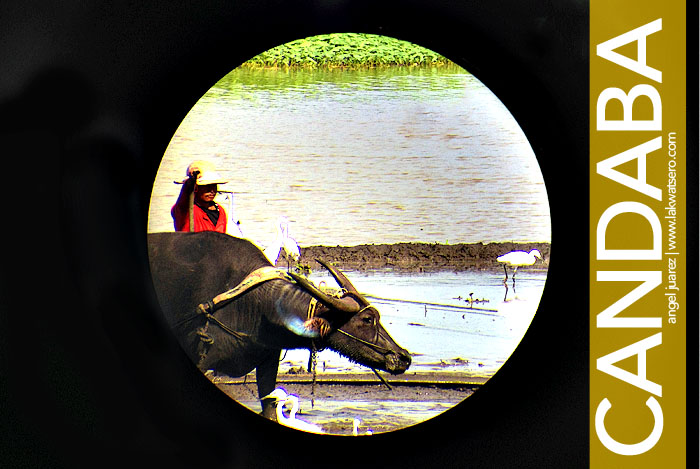
Candaba Swamp in Pampanga is haven for bird watchers in Luzon. Located in the town of the same name, Candaba Swamp encompasses of about 32,000 hectares of freshwater ponds, swamps and marshes. The area is submerged in water during wet season and converted to farmland on dry season. It is a known sanctuary for migratory birds.
With its proximity to Metropolitan Manila, it is an ideal spot for a day of bird watching which I was able to try early this year. I had a chance to visit and try (for the very first time) birdwatching in Candaba Swamp and I never thought that it would be that fun and exciting.
I had a total of 20 lifers, the term used by birders for birds that are first seen and observed in the wild and under appropriate conditions, including Grey Heron, Red Turtle Dove, Chestnut Munias, White Breasted Heron, White-Collared Kingfisher, Blue-Tailed Bee Eater, Black-Crowned Heron, Great Egret, Tufted Duck, Common Moorhen, Philipine Duck, Cinnamon Heron, Black-Winged Stilt, Northern Shoeveller, Wandering Shistling Duck, Common Kingfisher, Garganey, Purple Swamphen, Long Head Shrike and Strieted Grasshead.
This snapshot is a digiscope of the flock of Great Egrets that are seem to be oblivious of the farm activities around.
Foods
While other provinces boast pristine beaches and breath-taking spots, Pampanga being a province that is almost land-locked (if not for its coastline areas facing Manila Bay), the province cannot brag much on nature-given wonders other than the province’s most famous terrain Mt. Arayat. While there are not so many sights to see in the province, it’s undeniable that Pampanga has a rich culture and heritage that every Kapampangan is proud of. One biggest credits of this pride comes from the Kapampangan’s way of cooking which made the province the “Culinary Capital of the Philippines”. If you’re visiting the province, the no.1 in your to do list should be eating. Remember this: “When in Pampanga, EAT!”
- Sisig
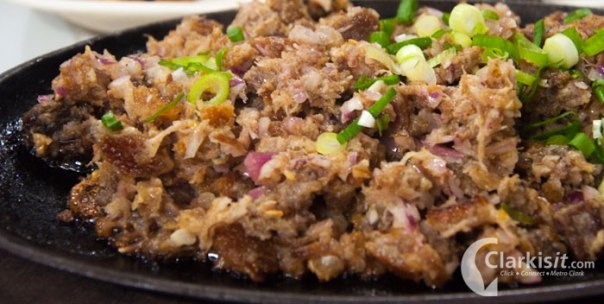
On top of the list of dishes that is well known to be an original Kapampangan dish is – sisig! The dish consists of different pig parts (mostly coming from the head) mixed with chicken or pork liver. With these ingredients, the Kapampangan’s were able to create an iconic dish that is very well known around the country. World-renowned television chef Andrew Zimmern includes sisig as one of the dishes that can change the world. You can never claim that you went to Pampanga if you have not tasted the authentic Kapampangan sisig. There are a couple of restaurants offering this dish, but there are two establishments in Angeles City that are well-known because of their own take of the sisig: “Aling Lucing’s” and “Mila’s Tokwa’t Baboy”. “Aling Lucing’s” is known as an original for the “modern day sisig”. It is because of Lucia “Aling Lucing” Cunanan that Angeles City was named as the “Sisig Capital of the Philippines”. Even after her passing, the original branch of “Aling Lucing’s” still stands along the old rail road tracks of Angeles City called “Crossing”. Although known for their Tokwa’t Baboy (thus the name) Mila’s Tokwa’t Baboy, they are also famous for their different take on the sisig. Instead of grilling the pig’s head, Mila’s deep-fries it before serving it on a sizzling plate, making their sisig crunchier that the traditional sisig. This recipe of sisig was innovated in the 80’s and is still loved until now.
- Buro
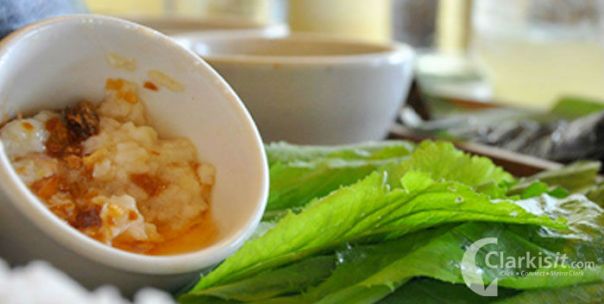
Buro or balo-balo is basically fermented rice (mixed with shrimp or fish) which is a popular condiment in Pampanga. Some find eating buro extreme, maybe because of its pungent smell and appearance, but it makes eating much better. Once you overcome the thought of eating fermented rice, you might find eating buro delectable especially with deep fried hito (cat fish), mustasa (mustard greens), and boiled vegetables (okra, eggplant, etc.) on the side.
- Tocino (Pindang)
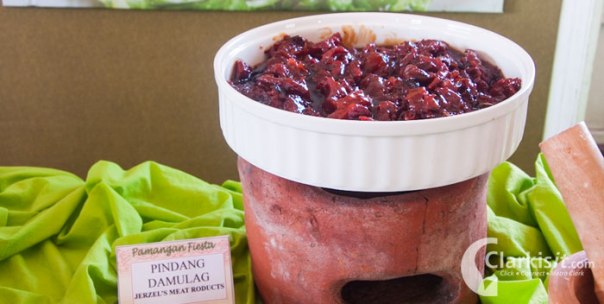
The tocino is probably one of the famed products of Pampanga that has been a staple of Filipino breakfast item for many years. If it’s your first time to hear about this dish, tocino is a processed pork meat that is sweet and salty when cooked, perfect for rice and sunny side up egg on the side. While this product is available nationwide, you should not miss-out on the chance to taste the authentic Kapampangan tocino that is offered only in the province which is “Pindang Damulag” – a thinly sliced carabao meat cured with vinegar and seasonings. The taste of pindang is sour compared to the sweet tocino that we are all familiar with, but pair it with a cup of rice with sliced tomatoes on the side, and you’ll surely experience one taste that is uniquely Kapampangan.
- Betute and Camaru
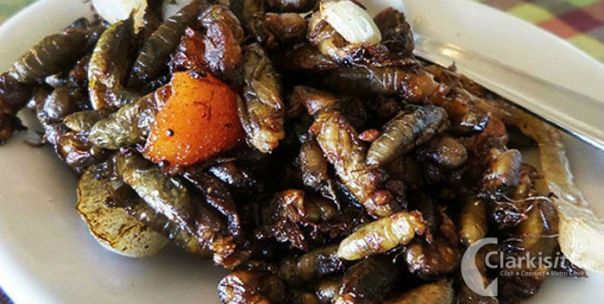
Having expansive rice fields throughout the province, it’s no doubt that the critters found in these fields ended up in the plates of Kapampangans. Categorized as exotic or bizzare, the betute (stuffed frog) and camaru (crickets) are a favorite to locals. While frog legs are common for the French, Kapampangan’s eat their frog whole, stuffed with ground pork meat, and then deep fried. And while others cringe when thinking of eating insects, Kapampangan’s just love their crickets cooked adobo style called camaru. If you want legitimate bragging rights of eating exotic Kapampangan foods, then these dishes are a definite must-try.

 Pampanga Blog